AKD had the pleasure of hosting Paul Chrisopher, CFA, Head of Global Investment Strategy for the Wells Fargo Investment Institute in April as our guest panelist. Paul provided many insights into current markets.
Markets recorded their fastest recovery since 1950 after a 10% correction. Paul helped us make sense of the markets and provided an outlook going forward.
Iran
Iran’s leadership is comprised of a few high-ranking Republican Guard generals who are accustomed to long, drawn-out conflicts. The regime has been under sanctions since the Obama era and still has considerable military capabilities—drones, missiles, etc.
The base case is for the Iran conflict to continue to cause friction for the markets especially with elevated oil prices and knock on inflationary effects; however, there is a continued backdrop for economic growth.
Inflation
While the US is somewhat isolated from rising energy prices due to our surplus in natural gas and lag time for delivery of overseas oil, there are still inflationary pressures present.
Inflationary effects to consumers will vary based on various businesses’ ability to pass along higher costs to consumers, for example clothing. With higher diesel prices, grocery costs are expected to increase.
Europe and Asia are under greater pressures with a more direct and immediate impact to their energy supplies given the ongoing Iran conflict.
The Fed & Interest Rates
Markets will be watching the President’s nominee to replace Jerome Powell—will Kevin Warsh be confirmed; what influence will he have on the Fed’s policy direction? While the President has made no secret he wants to see lower Fed funds interest rates, the Fed will continue to be guided by its dual mandate of inflation and full employment.
Fed funds are set by the Federal Open Market Committee comprised of 12 members. Regardless of a potential incoming new Chair, the committee votes on rate direction. It’s comprised of appointees from across different Presidents plus Regional Reserve Bank heads. Data will continue to dominate and inform the Fed’s decision-making process.
Notably, the Fed has taken a page out of Japan’s playbook the last decade-plus using its balance sheet to buy Treasuries and mortgage-backed securities from banks to create cash and spur bank lending. Currently, the Fed has paused reducing its balance sheet leading to more accommodative policy.
We have seen fixed income markets recalibrate with the yield curve steepening further since 12/31/26. Fixed income markets are pricing in limited Fed rate cuts, and the steepened yield curve points to continued economic growth in a normalized, mid-cycle environment.
Private Credit
Headlines have noted several private credit funds that have triggered lock-up provisions for investors looking to sell and liquidate some or all their position. To take a step back, private credit has seen explosive growth over the last several years. Many large investment firms lend money directly to companies who in the past would have accessed debt markets through traditional banks.
Currently, private credit is going through a “redemption squeeze”. While loan portfolios are performing well, headlines are creating a significant uptick in redemptions. Medium- to large-sized firms are well positioned as they have ample access to liquidity.
Risks are with smaller funds or those concentrated in software and the automotive sector. The trajectory of interest rates will be a data point to watch.
Wrapping it all up
Long term investors are always challenged during volatile times with keeping their eye towards the long term without getting caught up in the day-to-day headlines which seem to come faster and faster these days.
The greatest risk to markets is an escalation of the Iran conflict as well as policy uncertainty out of Washington. With that said, we see incentives for all sides to resolve the conflict sooner rather than later to avoid turning into a quagmire.
While Washington’s policies move markets, the most important thing for a long-term investor is economic growth and long-run profitability of underlying companies. The market’s resiliency has been spurred by underlying economic growth. We see catalysts for growth and see diversification as critical to weathering the inevitable ups and downs.
Thank you for the opportunity to serve your family.
Your AKD Team,
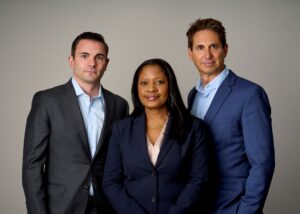
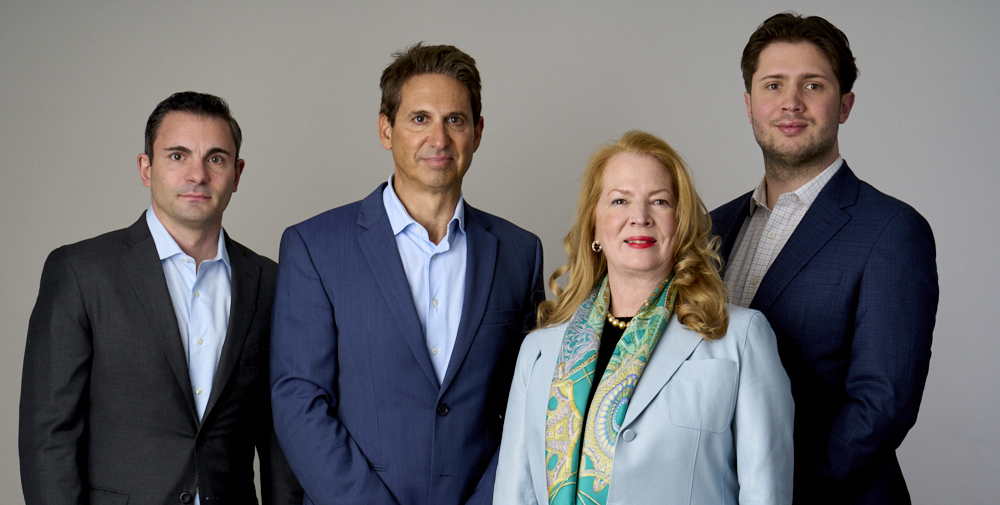
Vincent M. DeSimone, CFP®, CRPC®, AIF®; Stephanie Lynn Ackler, CFA; Robert Karp, CFP®, CRCP®, AIF®
AKD Wealth Partners
Wells Fargo Advisors Financial Network did not assist in the preparation of this report, and its accuracy and completeness are not guaranteed. The opinions expressed in this report are those of the author(s) and are not necessarily those of Wells Fargo Advisors Financial Network or its affiliates. The material has been prepared or is distributed solely for information purposes and is not a solicitation or an offer to buy any security or instrument or to participate in any trading strategy. Additional information is available upon request.